TL;DR: Refurbishment drylining — strip-out, replacement, and re-plaster for renovation projects. From a single room to a full property refurb, including damp and damage repair. Common across Gillingham's older housing stock and post-Grenfell remediation work.
Refurbishment Services We Provide
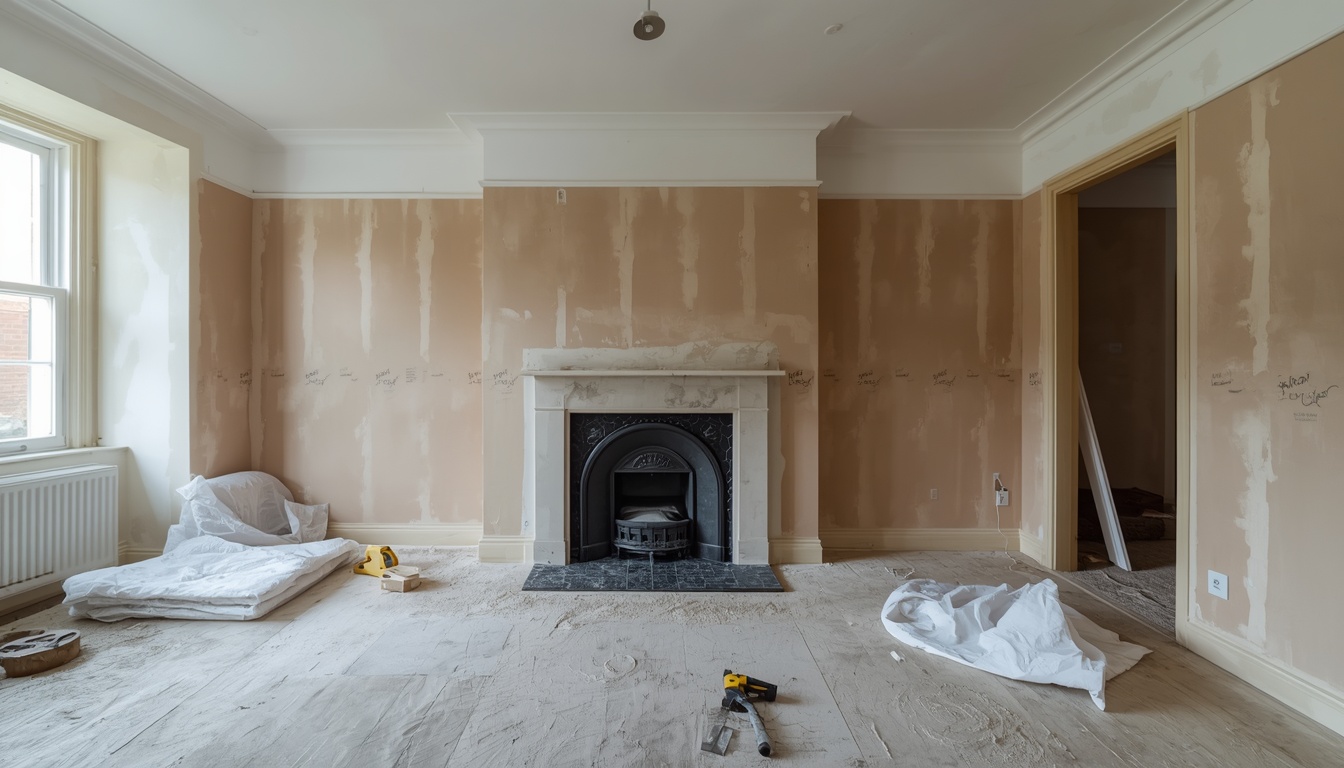
At Drylining Gillingham we handle the drylining side of any refurbishment — from a single damaged room to a full strip-out and re-fit of a vacant property. We work alongside general builders, insurance restoration firms, and homeowners to remove old, damaged, or contaminated linings and install fresh, modern plasterboard systems.
- Strip-out of old lath-and-plaster ceilings (common in pre-1930s Gillingham properties)
- Removal of damaged plasterboard after leaks, fires, or impact
- Replacement plasterboard walls and ceilings with redecoration-ready finish
- Damp and condensation-affected plasterboard replacement (after damp cause fixed)
- Post-flood strip-out and re-plaster (Lower Irwell flood zone properties)
- Fire damage repair and re-lining to current Part B standards
- HMO refurbishment (full property strip-out and re-fit for licensing)
- Pre-sale cosmetic upgrades (skimming, new partitions, ceiling re-plaster)
Refurbishment Work Across Gillingham
Gillingham's housing stock is mixed — Victorian terraces in Luton and Grange, inter-war and 1950s semis in Hempstead, Woodlands, and Hempstead, 1960s-80s post-war estates in Wigmore, Rainham, and Rainham, and modern apartments in Gillingham and the city centre. Each has its own refurbishment demands, from the asbestos-risk ceiling textures in 1960s homes to the EWI-compatibility issues of post-Grenfell apartment blocks.
- Pre-1930s terraces (lath-and-plaster ceilings, lime plaster, often need breathable boards)
- 1930s-1950s semis (plasterboard on timber stud, soundproofing upgrades common)
- 1960s-1980s post-war housing (textured coatings, Artex, sometimes asbestos risk)
- 1990s-2000s apartments (poor original sound insulation, EWI considerations)
- Gillingham post-Grenfell remediation (EWS1 forms, fire-rated replacements)
- HMO conversion strip-outs (full clear-out and re-fit to current Part B/E standards)
- Insurance work (escape of water, fire, impact damage)
- Pre-purchase and pre-sale refurbishments to lift property value
Materials and Specifications
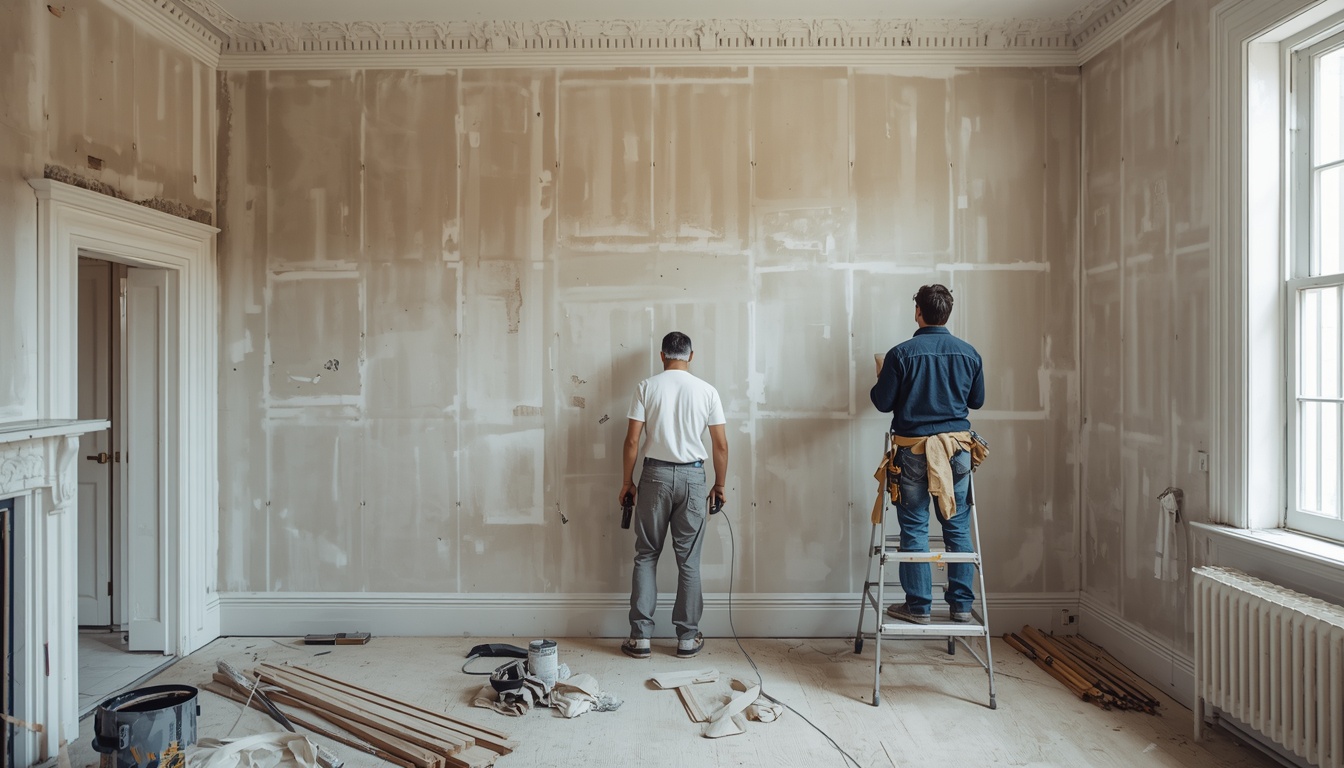
- British Gypsum Gyproc, Knauf, and Siniat plasterboard ranges
- Moisture-resistant (MR) plasterboard for kitchens, bathrooms, and post-flood areas
- Fire-line (Type F) plasterboard for separating walls in HMO work
- Sound-rated plasterboard (SoundBloc) for acoustic upgrades
- Insulated plasterboard (Thermal Laminate) for external wall upgrades
- Metal stud and track systems for new partitions
- Decorative coving and cornice work for period property restoration
- Sealants, scrim tape, and jointing compounds for seamless finishes
Coordination with Other Trades in Gillingham
Refurbishment rarely involves just the drylining. We coordinate closely with electricians, plumbers, gas engineers, damp-proofing specialists, and decorators to ensure the right sequencing and a clean hand-off. For HMO and Article 4 projects, we work with Gillingham City Council's Private Sector Housing team to deliver a property that meets HMO licensing standards. For insurance work, we provide full photographic records, itemised schedules of work, and liaison with loss adjusters.
Need a Refurbishment Drylining Quote?
Free site survey and itemised written quote. We cover all of the Medway.
Frequently Asked Questions
What does refurbishment drylining include?
Strip-out of old or damaged linings, replacement plasterboard to walls and ceilings, re-skim or tape-and-joint finish, and redecoration-ready surfaces. We can also coordinate associated trades (electrical, plumbing, damp-proofing, decorating) for a full refurbishment package.
Do you handle insurance work?
Yes. We regularly work on insurance restoration projects (escape of water, fire, impact damage). We provide full documentation, photographic evidence, itemised schedules, and direct liaison with loss adjusters.
Can you handle damp-affected plasterboard?
Yes, but only after the underlying damp cause has been identified and fixed (rising damp, penetrating damp, condensation, or plumbing leak). We replace the damaged plasterboard with moisture-resistant board and ensure the wall is dry before re-finishing.
How much does refurbishment drylining cost?
Refurbishment costs vary widely depending on scope. A single room replaster is typically £350-£800 labour + materials. A full HMO strip-out and re-fit is typically £4,000-£12,000 depending on size and specification. We provide a written itemised quote after a site survey.